Posts

The Rise of Judaica Art Sales: A Modern Trend with Deep Roots

Image
The Growth of Judaica Art Sales In recent years, Judaica art has seen a remarkable rise in popularity, both as a means of preserving cultural heritage and as an expression of modern creativity. From traditional depictions of Jewish rituals to contemporary interpretations of cultural symbols, Judaica art resonates with collectors and enthusiasts across the globe. This growing interest has led to an expansion in the market, with more people seeking to own pieces that reflect their faith, history, or simply an appreciation for the artistry. Combining Tradition and Modernity One of the key reasons for the growth of Judaica art sales is the way artists seamlessly merge tradition with modern sensibilities. These works often take iconic Jewish symbols—such as menorahs, Hebrew text, and the Star of David—and reimagine them using contemporary techniques. For example, some artists incorporate abstract elements, vibrant colors, or mixed media to give traditional themes a fresh look. This approach...
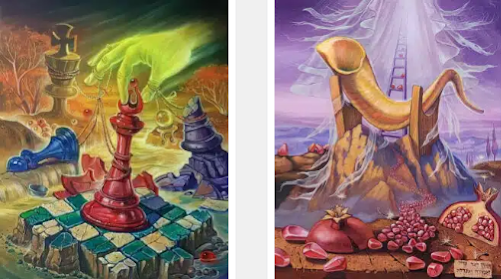
Hebrew and Surrealism: The Power of Language in Jewish Art

Image
Surrealism and the Hebrew language may seem like an unlikely pairing, but in Jewish art, the two come together to create powerful, thought-provoking works. Surrealist Jewish paintings use symbolism, dreamlike imagery, and often incorporate Hebrew words or letters to add deeper layers of meaning. These elements allow artists to explore spiritual, historical, and emotional themes, while inviting viewers to interpret the artwork in their own unique ways. Let’s take a closer look at how Hebrew and surrealism combine to create dynamic and impactful art. 1. Hebrew as a Symbol of Identity and Faith The Hebrew language is not just a tool for communication—it's a symbol of Jewish identity, history, and spirituality. When artists include Hebrew in their surrealist works, they are often invoking a sense of heritage or faith. The letters themselves carry weight and meaning, transforming the artwork into something more than just a visual experience. In surrealism Jewish paintings , Hebrew ...

Why Beis Hamikdash Paintings Continue to Inspire Modern Artists

Image
The Beis Hamikdash, or the Holy Temple, continues to be a powerful source of inspiration for modern artists, even though it was destroyed thousands of years ago. The Temple represents more than just a physical structure; it symbolizes faith, history, and the longing for spiritual connection. This deep significance keeps the Beis Hamikdash alive in the hearts of many and remains a central theme in art to this day. So, why does it still inspire contemporary artists? Let's take a closer look. 1. A Symbol of Unity and Hope The Beis Hamikdash wasn’t just a religious site—it was the heart of the Jewish people, a place where communities gathered for worship, celebration, and connection with God. Its historical importance makes it a symbol of unity and hope for many. This powerful meaning is what drives modern artists to depict it in their work. Whether it's a Beis Hamikdash painting or a more abstract representation, artists aim to capture the spiritual connection that the Temple re...

Personal Reflections on Beis Hamikdash Art

Image
  The Beis Hamikdash, or Holy Temple, holds a deep spiritual significance for me, as it does for many others who reflect on the history and essence of Jerusalem. The Beis Hamikdash represents more than just a physical structure; it stands as a symbol of faith, devotion, and connection to something greater than ourselves. When I look at artistic depictions of the Temple, I am reminded of these profound values, and the art helps me connect with those ancient times in a way that words alone often cannot. The Spiritual Resonance of Beis Hamikdash Art One of the most striking things about Beis Hamikdash art is how it captures the awe-inspiring presence of the Temple. The intricate details, the golden light, and the majestic portrayal of its towering structure transport me back to an era where this sacred place was the center of religious life. Artists who create these works beautifully blend history and spirituality, offering a visual experience that resonates deeply with those who shar...

The Art of Light and Shadow in Judaica Paintings

Image
Judaica paintings, known for their spiritual and cultural significance, often explore profound themes through the use of light and shadow. Artists working within this genre skillfully manipulate these elements to create a sense of depth, emotion, and atmosphere, allowing their work to speak to both the spiritual and the visual senses. This technique is not just about highlighting figures or scenes; it’s a means of conveying deeper meanings rooted in Jewish traditions and stories. Let’s explore how light and shadow are used by artists in Jewish paintings to create captivating, emotionally rich pieces that resonate with viewers on multiple levels. The Role of Light in Judaica Paintings In many Jewish paintings , light serves as more than just an artistic tool—it symbolizes divine presence, wisdom, and spiritual enlightenment. Light is often depicted emanating from central figures or important symbols, such as the menorah or the Torah, to emphasize their holiness and significance. ...

The Beis Hamikdash in Contemporary Jewish Thought

Image
The Historical and Spiritual Significance of the Beis Hamikdash The Beis Hamikdash , the Holy Temple in Jerusalem, holds a central place in Jewish history and spirituality. It was not only the epicenter of religious worship but also a symbol of the divine connection between God and the Jewish people. Today, even in its absence, the Beis Hamikdash continues to resonate deeply within the Jewish soul. Contemporary Jewish thinkers and scholars offer varied interpretations and discussions on the significance of the Temple, exploring its relevance in today's world. They delve into what the Beis Hamikdash represents in modern times, from spiritual symbolism to its role in Jewish identity and aspirations for the future. The Beis Hamikdash as a Symbol of Unity and Hope One of the primary discussions among scholars is how the Beis Hamikdash serves as a symbol of unity and hope. It represents the unity of the Jewish people and their collective yearning for a time when the world will be in ha...

Jerusalem Paintings: A Window into the City’s Diverse Culture

Image
Jerusalem, a city revered by millions across the globe, is not just a geographical location but a symbol of spiritual depth, cultural richness, and historical significance. As the heart of three major world religions—Judaism, Christianity, and Islam—Jerusalem has been a focal point of devotion, conflict, and artistic expression for centuries. The city’s cultural tapestry, woven with threads of diverse traditions, beliefs, and histories, is perhaps best captured through art. Jerusalem paintings stand as a testament to the city’s unique place in the world, offering viewers a glimpse into its multifaceted identity. Historical Context The art of Jerusalem has evolved alongside the city’s tumultuous history, reflecting its many phases and the events that have shaped it. From the ancient era, where early depictions of the city were created on scrolls and stone tablets, to the Renaissance, when European artists began to paint Jerusalem through the lens of religious pilgrimage, the city’s ...